


Regulations
-
New EU packaging guidance: what the food industry needs to know

With the publication of the new interpretative guidance and the FAQs on the Packaging and Packaging Waste Regulation (PPWR), the European Commission has clarified several points that had remained only partially defined for food companies, importers, exporters and packaging suppliers. The aim is to make some practical aspects easier to understand: who is actually responsible, which obligations start in 2026, which ones will apply later, and which areas already require technical documentation and internal checks.
-
Plant-based meat alternatives: the EU restricts the use of certain meat-related terms

The new agreement reached in Brussels on the use of terms traditionally associated with meat should not be seen as a purely terminological issue. For companies producing and distributing plant-based meat alternatives, it is a development that affects labels, packaging, commercial materials and product presentation across the supply chain. At the same time, the plant-based sector has already been moving away from these names for some time, in response to market shifts and changing consumer preferences.
-
FSMA 204 regulation in the United States: what changes for exporters, producers and food distributors

In recent days, the Food and Drug Administration (FDA) has issued an important update on the Food Traceability Rule, the section of the Food Safety Modernization Act (FSMA) focused on food traceability under Section 204, with more time now available for compliance. Below is an overview of the requirements, timeline and practical tools that matter for producers, brands and distributors across the supply chain.
-
Coffee capsules must be recyclable - and actually recycled: PPWR requirements and key deadlines

Single-serve capsules are now widely used at home and across many food service businesses, but end-of-life management is still complex. This is mainly because capsules often combine multiple materials and contain organic coffee residues, which makes recycling harder. The new EU regulation (PPWR) aims to make packaging easier to collect and recycle, introducing shared rules on design, labeling, and producer responsibility.
-
European Parliament approves new EU regulation against unfair trading practices in the agri-food supply chain

The European Parliament has approved a new regulation that strengthens the fight against unfair trading practices in the agri-food supply chain when supplier-buyer relationships involve multiple countries. Specifically, we look at which behaviours are being addressed (from late payments to unilateral contract changes, through to promotions costs imposed without agreement) and what changes thanks to more coordinated investigations and checks among national authorities.
-
Europe advances toward the recognition of New Genomic Techniques (NGT): opening a new phase for agricultural innovation

The European Union is taking a significant step toward establishing a dedicated regulatory framework for New Genomic Techniques (NGTs), also referred to as Assisted Evolution Techniques (TEA). After months of negotiations and a prolonged institutional deadlock, the European Parliament and the EU Council have announced a political agreement that will allow these technologies to be applied across various agricultural sectors.
-
EU Plans for New Taxes on Unhealthy Foods: What Could Change for the Food Industry

The European Union is preparing a package of measures that could have a notable impact on the food industry and distribution chains. Among them is the introduction of a specific tax on ultra-processed foods high in fat, sugar and salt (HFSS), as well as on certain alcoholic beverages, including alcopops. The stated goal is to discourage the consumption of products considered harmful to cardiovascular health and promote healthier eating habits. For producers, distributors and food & beverage brands, this policy may also lead to changes in product formulation, positioning and commercialization strategies.
-
EU-Indonesia Deal Opens New Opportunities for European Food Exports

The European Union and Indonesia have signed an economic partnership agreement that creates new opportunities for the food industry. Gradual tariff reductions and streamlined procedures are designed to facilitate trade, while introducing clearer and more transparent rules for participating businesses.
-
Sustainable Food Packaging: An Innovative Solution to Extend Shelf Life of Strawberries and Other Fresh Products

Driven by the new European sustainability directives, the food packaging industry is moving toward increasingly innovative and responsible solutions. A recent study has validated the effectiveness and safety of a new type of biodegradable packaging that not only extends the shelf life of strawberries but also helps significantly reduce microbial growth.
-
New European Regulations on the Use of "Zero Alcohol" and "Low Alcohol" Labels for NOLO Beverages

The European Commission is preparing a new regulation to standardize the use of claims such as "zero alcohol", "alcohol free" and "low alcohol" on products sold across the EU. This initiative has become necessary due to the rapid growth of this segment, driven by the increasing consumer demand for beverages with reduced or no alcohol content.
-
New EU Rules on Food-Contact Plastics: Updated Safety and Quality Control Requirements

The EU Regulation 2025/351, published on February 24, 2025, and in force from March 16, 2025, introduces significant changes to ensure the safety of plastic materials intended for food contact. Let's explore the new requirements to which businesses operating in the food supply chain must pay close attention.
-
Food Labeling in the EU: Challenges and Opportunities for Businesses

A recent report by the European Court of Auditors (ECA) highlighted significant shortcomings in the European Union's food labeling system. The findings emphasize the urgent need for a clearer and more consistent approach to safeguard consumers. For food businesses operating in the EU, these challenges also present an opportunity to differentiate themselves through transparency and innovation.
-
New EU Regulations on Food Packaging: Measures to Limit the Use of Bisphenol A

The European Union has recently approved a proposal by the European Commission to ban the use of Bisphenol A (BPA) in various food packaging. This chemical, commonly found in many products and plastic containers, is known for its ability to migrate in small quantities into food and beverages, posing a potential health risk.
-
Greenwashing: The EU Publishes Blacklist of Deceptive Business Practices

The European Union has released Directive 825/2024, unveiling a blacklist targeting deceptive environmental marketing practices, aiming to curb the rampant use of misleading labels and what's known as "greenwashing". As a result, any adoption of behaviors outlined in this blacklist by companies or professionals will be prosecuted. This list equips Member States with the means to pinpoint deceptive commercial tactics employed by businesses to promote their products or manufacturing processes, often exaggerating or only partially representing their environmental attributes.
-
Approved: New EU Regulation for PDO and PGI - Impact on the Food Sector and Business Opportunities

The European Parliament has given final approval to the new regulation concerning the PDO and PGI system, enhancing protections for designated origins, fostering increased transparency for consumers, and strengthening the role of consortia.
-
The EU Takes Action Against Greenwashing: New Rules to Prohibit Generic Labels on Eco-friendly Products Approved

By 2026, it will be forbidden to use generic terms like "ecological," "eco-friendly," "natural," "sustainable," and "biodegradable" on product labels. The European Parliament has given the green light to a directive aimed at improving product labeling and prohibiting misleading environmental claims. These new regulations are designed to tackle various forms of greenwashing, particularly strategies used by some companies to showcase their environmental dedication while offering deceptive information about eco-friendly products.
-
New EU Regulation on Italian Sounding Products. What Distributors and Retailers Need to Know

Starting in 2024, the European Union will enforce a novel, comprehensive regulation focused on Protected Designation of Origin (PDO) and Protected Geographical Indication (PGI) products. This initiative represents a significant stride in safeguarding and promoting traditional and regional products. Under the new EU unified legislation, the registration of "Italian Sounding" products, which refers to food and beverages with names resembling those of traditional Italian products, causing consumer confusion, will be prohibited. This encompasses items like Slovenian and Cypriot balsamic vinegar, Croatian Prosek, "Parmesan" and "Gorgonzillo".
-
The New European Regulation on Packaging continues its Progress

The European Parliament's Committee on Environment and Food Safety (ENVI) has approved the report on the new regulation on packaging (PPWR) proposed by the EU Commission, paving the way for significant changes, including the ban on single-use packaging, with the aim of making the packaging industry more sustainable and reducing its environmental impact.
-
The EU protects True Neapolitan Pizza: new regulation and certifications
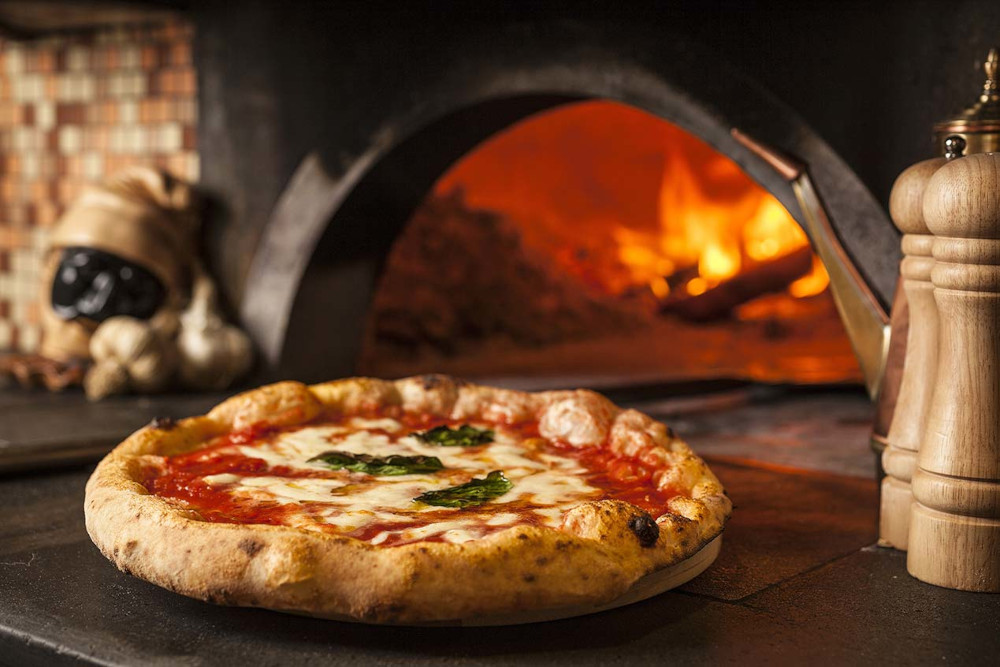
Authentic Neapolitan pizza is now protected in the EU by the geographical certification "STG" (or "TSG", traditional specialty guaranteed). The European Union, with Regulation 2022/2313 accepted the request sent by Italy to protect the name and methods of preparation of one of the main symbols of Made in Italy in the world.
-
The EU approves the foreign sale of Prosecco Rosé DOC: The protagonist of “sparkling rosé”

After the publication in the Official Journal of the European Union, Prosecco rosé DOC has obtained the recognition that all the producers have been waiting for. The Italian sparkling rosé wine can now be sold beyond Italian borders. This important triumph represents a unique opportunity for the Italian wine industry which is now preparing to launch into foreign markets.