



From 11 to 14 May 2026, TUTTOFOOD returns to Rho Fiera Milano, bringing together food companies, buyers and industry professionals from Italy and abroad. Alongside its exhibition offering, the event will also spotlight the themes increasingly shaping the sector's evolution, from sustainability and food safety to transparency, inclusion and more conscious access to food.
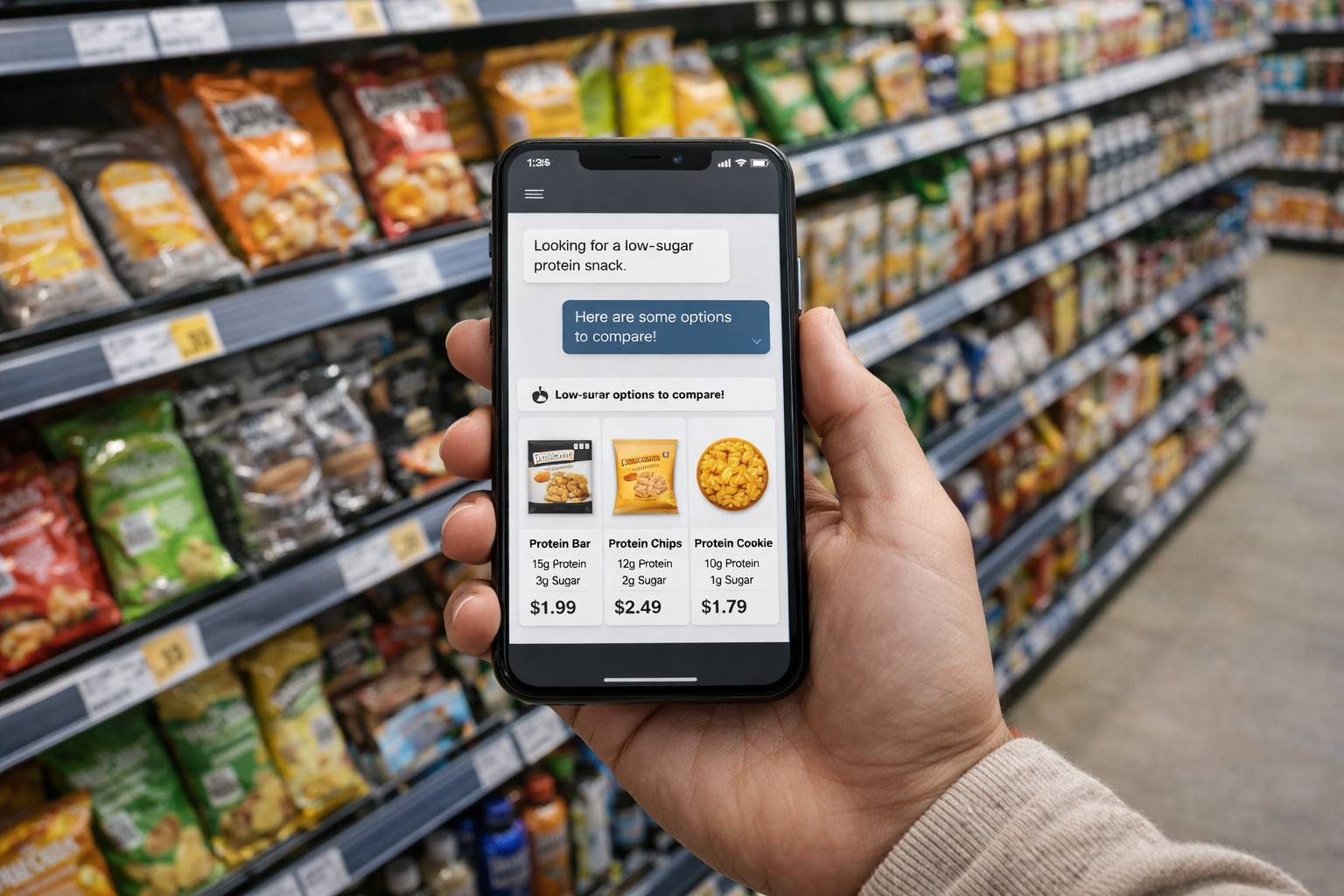
In retail, product discovery now happens across different touchpoints. The store still matters, but today the customer also comes into contact with a product through online search, social media, digital promotions, automatic suggestions and, increasingly, artificial intelligence tools. For distributors and retail chains, this means that in addition to managing the shelf well, they also need to make the product visible, understandable and convincing along a much broader discovery journey.

With the publication of the new interpretative guidance and the FAQs on the Packaging and Packaging Waste Regulation (PPWR), the European Commission has clarified several points that had remained only partially defined for food companies, importers, exporters and packaging suppliers. The aim is to make some practical aspects easier to understand: who is actually responsible, which obligations start in 2026, which ones will apply later, and which areas already require technical documentation and internal checks.

Sauces and condiments made with Italian black truffle are gaining a more significant role in the international gourmet market. According to a recent Growth Market Reports analysis, the global market reached USD 1.14 billion in 2024 and could rise to USD 2.15 billion by 2033, with a compound annual growth rate of 7.3%. Beyond the numbers, however, the most meaningful signal for the supply chain is this: a product once associated almost exclusively with fine dining is now finding broader space in premium retail, e-commerce, food service, and high value-added industrial applications.

In 2026, protein continues to stand out as an increasingly visible commercial driver in retail, because it responds to needs that now go well beyond sports performance alone: satiety, convenience, perceived wellness, hunger management and on-the-go consumption. The signal is clear in everyday shopping too, where many mainstream categories are now being offered in high-protein versions. At the same time, the market is moving quickly, and this segment also requires a more differentiated offer in order to stand out in an increasingly crowded landscape.

The new agreement reached in Brussels on the use of terms traditionally associated with meat should not be seen as a purely terminological issue. For companies producing and distributing plant-based meat alternatives, it is a development that affects labels, packaging, commercial materials and product presentation across the supply chain. At the same time, the plant-based sector has already been moving away from these names for some time, in response to market shifts and changing consumer preferences.

For companies distributing Italian products abroad, gelato remains a category worth watching closely. In the first eight months of 2025, Italian gelato exports reached 372.2 million euros, up from 313.2 million euros in the same period of 2024 (+18.8%). In some areas, growth has been particularly sharp, with +72% in Asia and +93.2% in the Middle East. Alongside finished products, Italy also exports ingredients, semi-finished products and equipment, supported by established know-how, reputation and the trust of international operators.

In today's agri-food market, telling the story of a quality Italian rice means more than simply referring to its origin or variety. What increasingly makes the difference is a recognizable supply chain, the consistency of the production method and the functional qualities that make the product appealing in professional use as well. In this sense, Riso Meracinque builds its identity around Carnaroli Classico, combining roots, the area's natural vocation and a farming approach shaped by innovation.

Sweets such as the Easter Dove Cake (Colomba di Pasqua) and Neapolitan Pastiera have firmly established themselves as iconic Italian products in international markets, driven by increasing demand. For distributors and importers, these desserts represent significant business opportunities, blending tradition, craftsmanship, and modern innovation. Italian Easter products are gaining popularity in both the retail and food service sectors, with offerings that range from traditional to innovative, tailored to the preferences of diverse markets, distribution channels, and consumer needs.

After years of rapid growth in vegetarian and vegan offerings, several foodservice operators are cutting back on underperforming items and placing meat dishes back at the center of the menu, especially because of their high protein content. Plant-based offerings are still growing, but increasingly on the basis of more informed and conscious consumer choices.

Mixology and ready-to-drink: how premium ingredients and wellness trends are also influencing retail
In 2026, the world of beverages and cocktails is being shaped by new consumption habits and is becoming a useful lens through which to observe the wider food industry. Among the most interesting emerging signals are fermentation, fine-dining ingredients applied to mixology, the use of infusions, the evolution of ready-to-drink formats, the "functional" trend, and a more authentic reinterpretation of venues as places for experience, food and social interaction.

In recent days, the Food and Drug Administration (FDA) has issued an important update on the Food Traceability Rule, the section of the Food Safety Modernization Act (FSMA) focused on food traceability under Section 204, with more time now available for compliance. Below is an overview of the requirements, timeline and practical tools that matter for producers, brands and distributors across the supply chain.
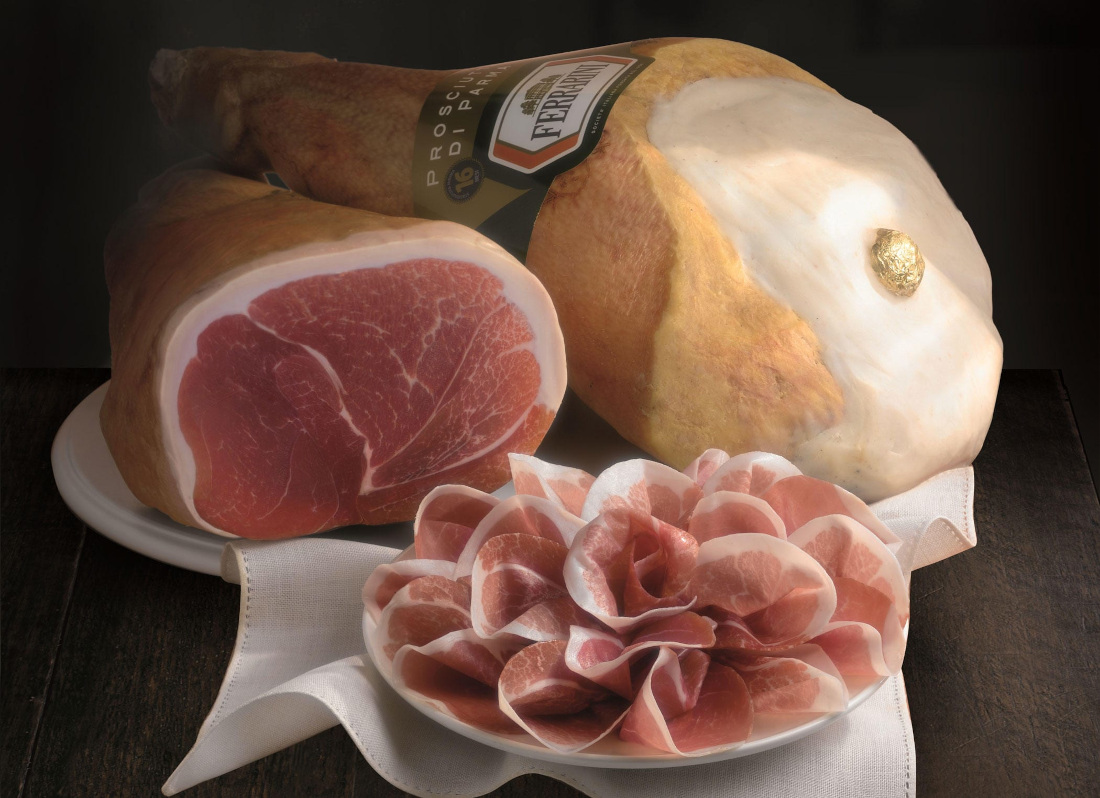
For international buyers, importers and distributors, Italian dry-cured hams remain a high-interest product category because they combine strong perceived value, the recognizability of Made in Italy, and the opportunity to build assortments suited to different channels, from retail and deli counters to food service. In this context, Ferrarini complements its long-standing specialization in cooked ham with a range of aged dry-cured hams, built around tradition, consistent quality and commercial flexibility.
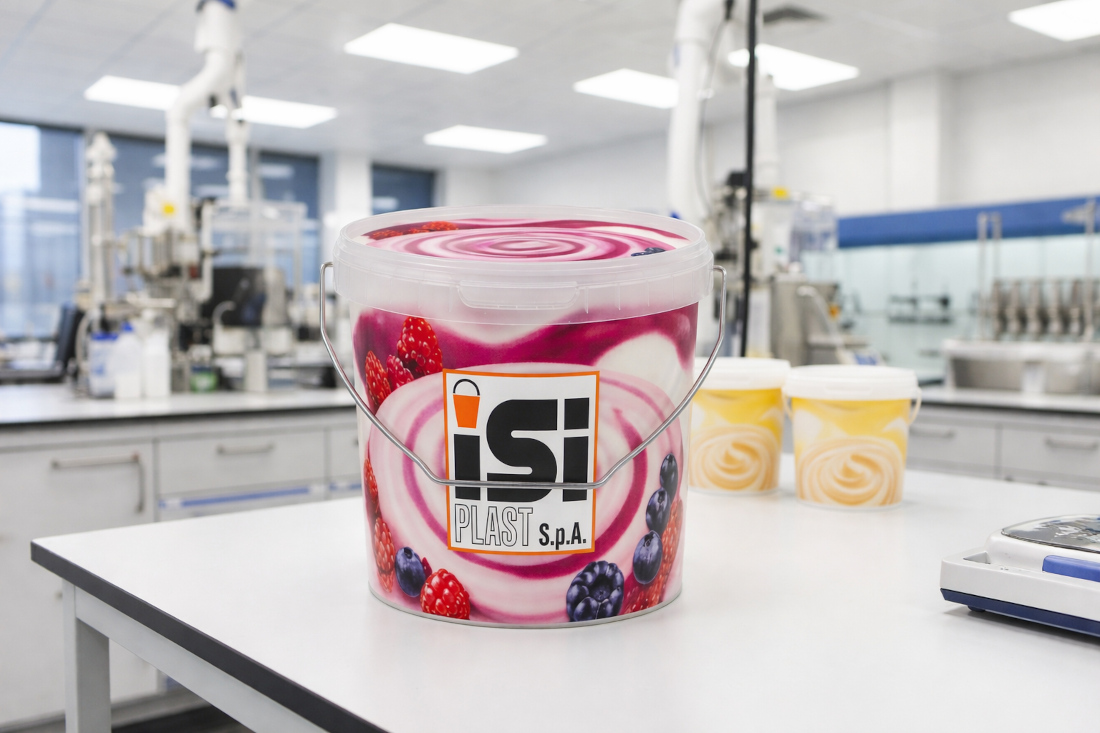
In the food sector, green packaging is no longer just a stated goal - it is increasingly a matter of concrete operational choices. Producers and distributors are looking for packaging solutions that can reduce environmental impact and align with circular economy principles, without compromising essential requirements such as stability, functionality and compatibility with production, storage and distribution processes.

Single-serve capsules are now widely used at home and across many food service businesses, but end-of-life management is still complex. This is mainly because capsules often combine multiple materials and contain organic coffee residues, which makes recycling harder. The new EU regulation (PPWR) aims to make packaging easier to collect and recycle, introducing shared rules on design, labeling, and producer responsibility.

The European Parliament has approved a new regulation that strengthens the fight against unfair trading practices in the agri-food supply chain when supplier-buyer relationships involve multiple countries. Specifically, we look at which behaviours are being addressed (from late payments to unilateral contract changes, through to promotions costs imposed without agreement) and what changes thanks to more coordinated investigations and checks among national authorities.
- Record year for Finocchiona PGI: all-time high production and growing demand in Italy and abroad
- Puglia in Food: frozen Salento specialties for the foodservice channel
- Terre di Bruca: organic Sicilian wines with a contemporary profile, for new generations and international markets
- TUTTOFOOD 2026: over 100,000 trade visitors expected, with a stronger focus on international markets