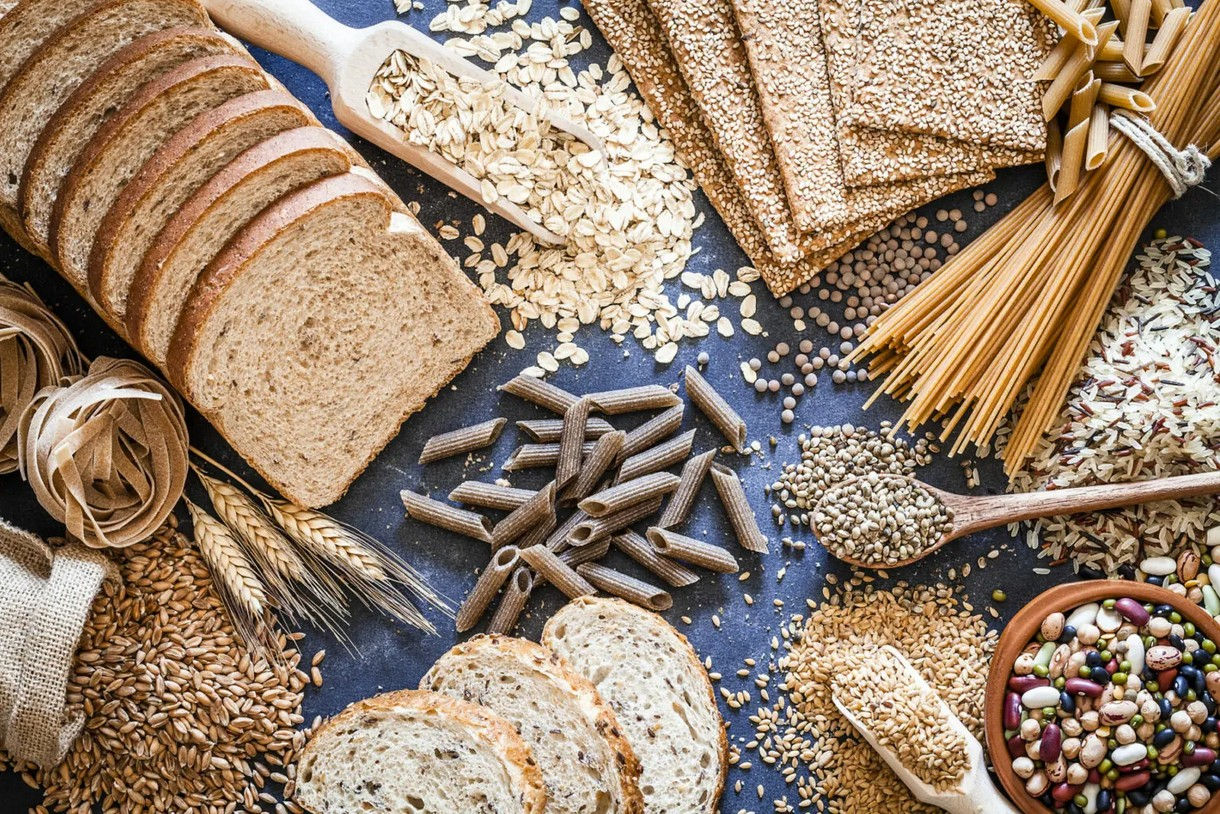
A recent survey reveals that U.S. consumers are changing the way they perceive whole grains, now viewing them as a choice that appeals to taste as much as to health. In Europe too, data point to a market increasingly aligned with these evolving preferences. For food companies, these insights provide valuable guidance to reposition products, packaging, communication, and promotion strategies.
Key points:
- Emerging trends (USA)
- The European market
- Opportunities for manufacturers, distributors, and foodservice
- Product categories – focus on bakery, snacks, pasta, on-the-go and gluten-free options.
- Communicating the connection between taste and well-being
Emerging trends
A study by the Whole Grains Council (WGC), based on 1,500 U.S. consumers, highlights a major shift in the motivations behind purchasing grain and whole-grain products. No longer seen solely as healthy food, they are increasingly chosen for taste, trust, and food identity.
Beyond their growing popularity, consumers recognize the nutritional benefits of whole grains - a higher content of fiber, vitamins, and minerals compared with refined varieties.
A choice driven by pleasure
One of the most significant findings is the rediscovery of flavor: 43% of respondents cite taste as a key reason for choosing whole-grain products, up from 39% in 2023.
Although 36% still find the flavor of whole grains less appealing, the trend has reversed: taste is now increasingly perceived as one of the category's strengths.
Consumption frequency: parents and Millennials lead the way
Another noteworthy result concerns how often consumers choose whole-grain options. Today, 57% say they opt for them at least half of the time, while 72% intend to increase their consumption further. The pattern is especially strong among parents and Millennials - two groups driving the shift: 66% of parents and 62% of Millennials choose whole-grain products in half of their eating occasions. Even when dining out, percentages remain high: 51% of adults overall, reaching 65% among parents and 62% among Gen Z and Millennials.
The price factor
From an economic standpoint, the situation is mixed. More people now view whole grains as an affordable choice: 19% describe them as "budget-friendly", nearly double the 11% recorded in 2021. Yet price remains a major barrier for 44% of respondents - up sharply from 29% four years earlier - showing that while consumers appreciate the value of these products, inflation and higher food costs still affect purchasing decisions.
Trust and labeling
Brand and labeling trust are also crucial: 88% of respondents trust the Whole Grain Stamp - the official seal certifying the presence of whole grains - while 81% say its presence on packaging makes them more likely to buy, up from 78% in 2021. More than half (56%) look skeptically at products without the stamp, confirming that clarity and transparency on labels are decisive factors. The Whole Grain Stamp is now seen as the second most useful label element, right after the classic Nutrition Facts Panel.
A cultural shift
The topic of food education also stands out, particularly regarding children: 82% of respondents believe schools should prioritize nutritional quality in meals, and 90% of parents think their children would enjoy whole grains if prepared in a tasty, appealing way. Meanwhile, 80% believe that introducing these foods early increases the likelihood that children will maintain the habit into adulthood.
This steady progress reflects rising demand for functional, natural, and healthy foods. The trend now extends beyond wellness-oriented consumers to all age groups, supported by greater awareness of the role of fiber and whole grains in digestive health, weight control, and chronic-disease prevention.
The data outline an encouraging picture: nutritional awareness is growing alongside a broader cultural evolution that positions whole grains as both a healthy and enjoyable daily choice - a sign of brand trust and a habit likely to strengthen among younger generations.
The European market: steady growth and new opportunities
Across Europe, the market for whole-grain and high-fiber foods continues to expand. According to the latest report from Future Market Insights (FMI), the sector is projected to reach $19.7 billion in 2025 and grow to $29.4 billion by 2035, with a compound annual growth rate (CAGR) of 4.1%.
Among whole-grain food categories, the bakery segment remains dominant, accounting for about 30% of total value. Bread, snacks, cookies, and pastries are the main entry points for European consumers moving toward a more balanced diet. For bakery manufacturers, the challenge lies in combining flavor, texture, and shelf life with authentic whole-grain content, supported by transparent, clean-label communication.
Regarding raw materials, FMI highlights the growing role of corn, which represents around 25% of high-fiber whole-grain sources. Often used in gluten-free or plant-based products, it helps broaden the target audience while meeting nutritional and environmental goals. "Non-traditional" grains such as spelt, oats, quinoa, and buckwheat are also growing in popularity, reflecting demand for variety and authenticity.
Transparency across the supply chain is another key factor. European consumers seek products aligned with principles of sustainability, traceability, and minimal additives. Interest in clean-label formulations continues to rise, shaping purchasing choices and encouraging producers to adopt more natural processes and easily recognizable ingredients.
Western Europe shows the highest growth rates. Italy stands out with an average annual growth of 7.3%, followed by France (6.7%) and Germany (5.5%). These figures confirm a well-established yet promising market - especially for companies able to differentiate through flavor, innovation, and communication.
Opportunities for manufacturers, distributors, retailers, and foodservice
Market research clearly shows that whole grains and high-fiber foods are becoming central to modern eating habits - valued not only for their health benefits but also for their sensory and identity appeal.
Food companies can build on taste, authenticity, and sustainability as key marketing levers. At the same time, the growing focus on supply-chain transparency calls for simple recipes, clear labeling, and easily recognizable ingredients. Using alternative raw materials - such as corn, spelt, oats, or quinoa - also helps capture the consolidated gluten-free and plant-based demand within the global market.
For distributors and retailers, opportunities lie in making whole-grain products stand out within assortments - ensuring easy recognition through clear labeling, certification marks, and origin details. These elements can both guide consumer choice and serve as selection criteria for professional buyers.
In the foodservice sector, market data point to further growth potential across restaurants, cafeterias, bakeries, and HoReCa operators by expanding their offerings with whole-grain versions of popular products. Creative chefs who design flavorful, fiber-rich dishes can balance pleasure and wellness while attracting and retaining customers through menus that highlight flavor, health, and variety.
Key categories to focus on
The whole-grain and high-fiber market remains fertile ground for innovation and growth in the food industry. From an operational perspective, companies - especially producers and distributors - can benefit by focusing on several strategic product categories.
Below are the most promising areas to watch, alongside emerging trends in consumption habits and purchasing behavior.
Whole-grain bakery
A recent Market Report Analytics study shows steady expansion of the whole-grain bakery category, with global growth estimated between 4 and 6% annually. It remains one of the strongest and most innovative segments, driven by two main forces: the pursuit of balanced nutrition and the desire not to sacrifice pleasure.
Growth is fueled mainly by traditional categories reinterpreted with a wellness focus - bread, crackers, cookies, and pastries - which serve as gateways to more mindful eating. Bakery products have the advantage of being everyday, versatile, and deeply rooted in food culture, making them an easy way to integrate fiber and whole grains into daily diets.
At the same time, producers are focusing on simpler recipes, natural ingredients, and less industrial processing, in response to growing demand for clean-label foods. Many are improving texture and aroma - two decisive aspects in overcoming the outdated perception that whole-grain products are less enjoyable or too "rustic".
Innovation is also expanding product ranges: alongside traditional bread and bakery items, more practical, modern formats are emerging for out-of-home or quick consumption (snack and on-the-go lines), including gluten-free options.
Whole-grain snacks
Whole-grain snacks - bars, crackers, cookies, or chips - provide a nutritious option for consumers seeking balanced, fiber-rich bites. Innovation focuses on taste and texture through the combined use of oats, spelt, quinoa, or buckwheat, offering crunchy, aromatic products without compromising nutrition.
Active, on-the-move consumers look for convenient yet wholesome solutions. This segment allows brands to diversify beyond traditional formats and respond to an increasingly popular trend.
On-the-go products
The on-the-go trend is driving demand for convenient, portable foods. Sandwiches, single-serve cereals, and ready-to-eat high-fiber meals meet the need for quick but balanced options. For companies, the challenge is to create natural, well-balanced recipes while avoiding ultra-processed formulations that could weaken perceptions of authenticity.
Gluten-free and high-fiber
Naturally gluten-free grains such as corn, brown rice, buckwheat, and amaranth are driving new opportunities. These ingredients enable the development of products suitable for a broader audience concerned with intolerance and digestibility. Increasingly, the "gluten-free and high-fiber" combination proves effective, bringing together inclusivity, health, and sensory appeal.
Whole-grain pasta
Whole-grain pasta remains a highly attractive category for the food industry, balancing tradition and wellness. Consumer appreciation has increased in recent years, driven by greater focus on nutritional balance and fiber content. Companies are investing in more natural recipes and processing methods that preserve grain quality, improving both flavor and texture.
Alongside classic formats, multigrain and plant-protein-enriched variants are gaining ground, appealing to those seeking more complete nutrition. Deeply rooted in culinary tradition, whole-grain pasta continues to symbolize the balance between pleasure and well-being.
Communicating the connection between taste and well-being
When it comes to communication, clarity and transparency remain essential - but no longer sufficient. Consumers expect immediate, accessible information supported by a coherent narrative that gives meaning to their choices. Readable labels and claims such as "high in fiber" or "100% whole grain" are still effective, but real differentiation comes from how companies turn facts into storytelling - explaining where grains are sourced, how they're processed, and why each product offers a more balanced and sustainable option.
Visual language plays an increasing role: clear symbols, clean design, and natural color palettes help build trust. Equally important is highlighting the connection between taste and wellness - positioning products not just as a "healthy alternative", but as a desirable everyday choice.