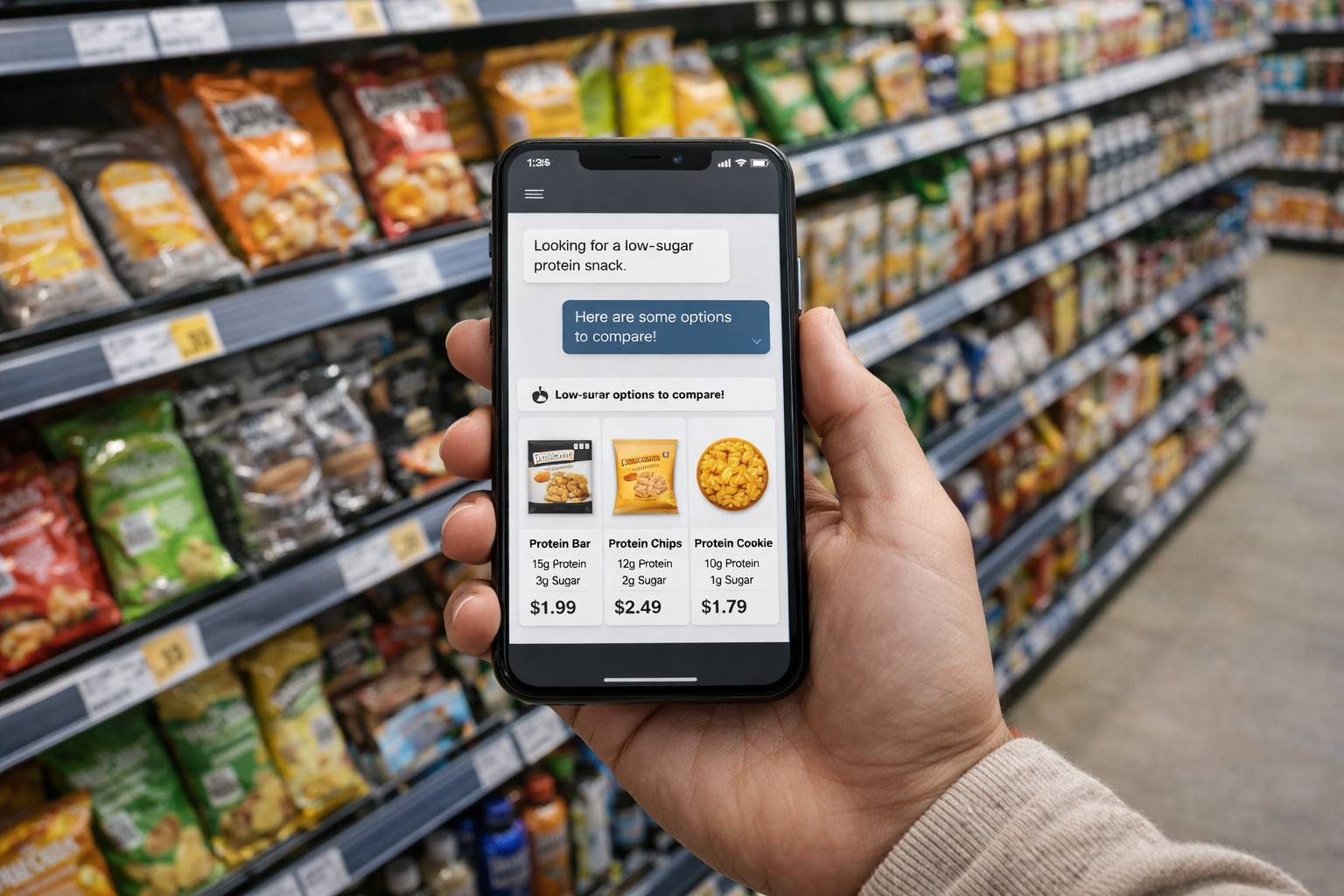
From the quest for sugar reduction to the rise of functional nutrition, fructooligosaccharides (FOS) have emerged as one of the most promising ingredients in the global food landscape. More than just a natural alternative to sugar, FOS are influencing how producers and distributors approach product formulation, wellness trends, communication, and clean-label innovation. The following overview outlines market data, growth perspectives, and insights into the major forces that will define future opportunities.
Based on Research Intelo's recent data, this article explores how functional ingredients are driving a new approach to holistic nutrition and product development. It also looks at how food companies can evaluate and communicate these innovations effectively across professional and consumer markets.
A natural prebiotic supporting the functional food trend
 Fructooligosaccharides are short-chain carbohydrates derived mainly from chicory root, sugar beet, and cane sugar. Unlike traditional sugars, they are not digested in the upper gastrointestinal tract, instead serving as nourishment for beneficial gut bacteria.
This prebiotic activity supports digestive health and immune function, aligning perfectly with the growing demand for functional, healthpromoting, and low-calorie ingredients.
In today's market, FOS sit at the intersection of two powerful movements: the global reduction of sugar consumption and the rise of functional nutrition. For manufacturers, they represent a dual opportunity - improving nutritional profiles while responding to consumer expectations for transparency and sustainability.
Market outlook: growth driven by innovation and health awareness
According to Research Intelo, the global fructooligosaccharides market was valued at USD 2.1 billion in 2024 and is projected to reach USD 4.7 billion by 2033, expanding at a CAGR of 9.3%.
-
North America currently leads the market, thanks to strong consumer awareness, an advanced food industry, and clear regulations favoring functional ingredients.
-
Europe follows closely, with wide adoption of FOS in functional foods, beverages, and dietary supplements.
-
Asia Pacific stands out as the fastestgrowing region, driven by urbanization, rising disposable income, and heightened health consciousness.
Key drivers behind the growth momentum
Three interconnected forces are propelling the FOS market forward:
-
A shift toward natural and functional ingredients
As obesity, diabetes, and digestive disorders rise globally, consumers are increasingly seeking preventive nutrition. Food producers are responding by incorporating FOS into bakery products, dairy, and beverages to improve gut health and immunity while maintaining taste and texture. -
Technological innovation in food processing
Advances in extraction and purification technologies have enhanced the quality, solubility, and flavor of FOS, expanding their versatility as sweeteners, fat replacers, and texturizing agents. This has made them an attractive ingredient across diverse sectors - from confectionery to dairy and ready-to-drink beverages. -
Regulatory support and sugar reduction mandates
Favorable regulations in North America, Europe, and Asia Pacific authorizing FOS use in food, supplements, and pharmaceuticals have encouraged new product development and reinforced consumer trust in prebiotic ingredients.
For insights into the consumer behaviors and market strategies that will drive new business opportunities, see also: "2025 Trends in Food, Health and Wellness: Data and Winning Strategies for the Food Industry".
Expanding applications across food and health sectors
The adaptability of fructooligosaccharides is one of their greatest strengths. Their main applications include:
-
Food and Beverages: as natural sweeteners and texture enhancers in bakery, dairy, and beverage products.
-
Dietary Supplements: in powders, capsules, and gummies formulated to support gut and immune health.
-
Animal Feed: to improve nutrient absorption and digestive efficiency in livestock.
While the food and beverage sector currently dominates in terms of revenue, the dietary supplements segment is expected to grow the fastest, fueled by the personalized nutrition trend and the increasing use of synbiotic formulations (combining prebiotics and probiotics).
The future of the FOS market is moving beyond the concept of substitution. Rather than being viewed simply as sugar alternatives, fructooligosaccharides are becoming foundational ingredients in the development of holistic wellness products that combine taste, nutrition, and functionality.
How to evaluate and communicate new functional ingredients
 Beyond the immediate functional gains, food companies should pay close attention to new ingredients because they enable portfolios that are both market-relevant and resilient. When selecting natural alternatives, the priority is not only the "claim", but the full value equation: proven functionality at realistic dosage, sensory performance (taste, texture, mouthfeel), processing compatibility (heat, shear, pH), and stability across shelf life.
Equally important are regulatory readiness and clean-label positioning, with substantiated benefits and claims that can be carried consistently across markets. Sourcing and sustainability credentials matter, too: suppliers that offer traceability, third-party certifications, and transparent life-cycle information reduce risk and strengthen brand trust. Finally, teams should evaluate cost-in-use rather than price per kilo, consider scalability and lead times, and run pilot trials to de-risk reformulation before full rollout.
For producers, the opportunity lies in building modular formulations that can adapt to different channels and country requirements, setting clear performance benchmarks (dosage ranges, sensory targets, processing windows), and co-developing with ingredient partners to shorten the path from lab to launch.
For distributors and retailers, the focus is portfolio curation: selecting ingredients and finished products that align with clean-label and wellness trends, ensuring reliable availability, and providing technical support materials to accelerate buyer decisions.
For the foodservice sector (HoReCa), functional ingredients play an increasingly indirect but strategic role. Operators are not expected to handle such compounds in their kitchens, but they benefit from ready-to-use or semi-finished products developed with these ingredients - such as functional beverages, desserts, bakery mixes, or dairy alternatives. For suppliers and distributors, this means curating assortments that allow restaurants, cafés, and hotels to expand their "better-for-you" offerings without changing existing processes. Training and clear communication of product benefits can help chefs and staff present these items credibly to customers, strengthening menu diversity and brand reputation.
Communicating to buyers and consumers
 When it comes to communication, the challenge is translating the science behind ingredients into value that different audiences can recognize.
In the B2B environment, where buyers, developers, and category managers look for reliability and data-backed performance, success depends on credibility. Detailed specifications, application studies, and proven stability over time remain essential, but so do clear supply parameters and transparent commercial terms.
Companies that combine technical substance with collaborative models - such as co-marketing initiatives or tailored formulations - can position themselves as long-term partners rather than simple suppliers.
For B2C (consumers) the language must shift from technical precision to emotional clarity. People want to understand what makes a product better for them. Communicating benefits such as improved digestion, lower sugar content, or natural sweetness through simple, consistent messages helps bridge that gap. Taste remains the first promise to keep: a healthy product still needs to deliver pleasure.