After years of rapid growth in vegetarian and vegan offerings, several foodservice operators are cutting back on underperforming items and placing meat dishes back at the center of the menu, especially because of their high protein content. Plant-based offerings are still growing, but increasingly on the basis of more informed and conscious consumer choices.
Rather than a true reversal, this looks more like a phase of market correction, driven in part by growing consumer distrust of ultra-processed foods, which has made some highly engineered plant-based alternatives less appealing. At the same time, plant-based continues to perform best when it appeals not only to vegetarians but also to flexitarians and non-vegetarian consumers, while interest in meat is strengthening again as many people see it as more nutritious, protein-rich and satisfying.
A more rigorous selection process
 A significant example comes from the UK market, where chains such as McDonald's, Wagamama and Domino's have been cited by trade media as examples of a reduction in certain plant-based menu items. This is not just about ideology or culture, but about a combination of very practical factors, including less predictable demand than in the boom years, tighter margin control, cost pressure, and a growing consumer preference for dishes seen as tastier and more nutritious.
This interpretation is useful for understanding broader global dynamics. In many mature markets, plant-based is moving beyond the phase of initial enthusiasm, when simply expanding the range or launching new plant-based alternatives was enough to attract curiosity and media attention. Consumers are now more selective: they do not necessarily reject plant-based products, but they are choosing more carefully based on taste, price, nutritional perception and level of processing.
Protein is reshaping the market's language
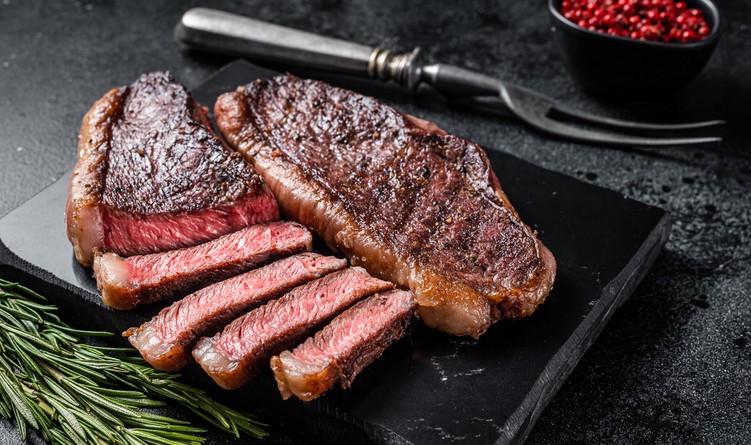 One of the most interesting developments is the shift in the way food is being marketed. In many countries, out-of-home growth has been driven mainly by meat dishes, with chicken standing out in particular, while health-focused messaging has moved from "meat-free" to "high-protein". This shift is also highly relevant for producers, distributors and international buyers, because it suggests that the protein angle is now becoming more powerful than plant-based messaging alone.
This does not mean plant-based products are destined to lose ground, but rather that they need to be rethought in a more credible and competitive way. For food companies, this means offering products that better meet today's purchasing criteria, especially a clear nutritional profile, recognizable ingredients, appropriate pricing and convincing taste. In other words, the category is shifting from novelty-driven appeal to real market performance.
The ultra-processed foods issue is becoming more important
Another key factor is the growing distrust of ultra-processed foods. Some plant-based alternatives, especially in the meat alternatives segment, are facing a less favorable consumer perception among part of the public, which increasingly rewards products seen as simpler and less artificial.
For the food sector, this point is particularly important. Opportunities remain, but they are increasingly moving toward products that combine convenience with perceived naturalness. It is no coincidence that, alongside the slowdown of some more engineered alternatives, interest and credibility are growing for ingredients and preparations such as tofu, tempeh, seitan, falafel and other plant protein sources perceived as more essential or less processed. For producers, this means innovation and simplification are no longer opposites - they increasingly need to go hand in hand.
The future of plant-based
The latest evidence helps avoid overly simplistic conclusions. In many countries around the world, plant-based products continue to show a growth trend, although performance varies by category and geographic area.
This is also an important point for distributors and commercial operators, since not all plant-based products perform in the same way and not all markets respond at the same pace. Some categories, such as plant-based beverages, are now close to normalization. At the same time, others, such as meat substitutes, still require deeper work on price, taste, texture and positioning. Distinguishing between mature categories, categories that need optimization and still-niche segments is therefore becoming essential.
The real target is not just the vegan consumer
 Plant-based brands are increasingly aiming for mainstream appeal, targeting above all flexitarians and non-vegetarians rather than an exclusively vegan audience. Plant-based is therefore still growing, but it performs better when it moves beyond the niche and presents itself as an accessible, tasty option that fits naturally into the daily habits of a much broader audience.
This logic applies both to retail and to foodservice. On menus as well as on store shelves, the offer that seems to work best is the one that focuses on the quality of the experience, the ease of choice and natural integration into everyday consumption. In this sense, the strength of plant-based offerings does not necessarily depend on strongly identity-based claims, but on the ability to become an attractive choice even for people who still consume meat and dairy.
Foodservice offers important insights
Foodservice remains a crucial testing ground for understanding where the market is heading. If large chains are simplifying menus and cutting less profitable options, high-quality dining shows that plant-based can still create value when it is presented with technique, creativity and depth of flavor. It is no coincidence that Plates - the first British vegan restaurant to earn a Michelin star - attracts mainly non-vegan customers, as much as 95%, according to Reuters.
These examples show that plant-based succeeds when it is judged on the final result, not on the label.
For specialist suppliers and companies working with the foodservice channel, this means the challenge is not simply to add more plant-based options, but to understand which products can really work on the menu, support margins and meet customer expectations. In many cases, the most successful products will be the most versatile ones, with good kitchen performance, a clearer ingredient list and the ability to fit into broader menus, not necessarily aimed only at vegetarian or vegan consumers.
Opportunities for meat and cured meat suppliers

For companies supplying meat and meat-based products, this scenario confirms the importance of highlighting both nutritional aspects, such as protein content, and the elements linked to the eating experience, including taste, authenticity, regional cuisine and culinary traditions.
On the one hand, many consumers still perceive meat as a source of high biological value protein, iron and B vitamins, as well as a satisfying food that can fit into a balanced diet. On the other hand, taste, recognizability and cultural value remain central: products such as traditional Italian cured meats, with their heritage of recipes, aging methods and distinctive aromatic profiles, can meet demand for authentic, satisfying products with high perceived value, both in retail and in foodservice.
Opportunities for plant-based food suppliers
For producers and distributors, the key point is that the international market is not abandoning plant-based, but is asking for a more mature offer. Attention to protein content, perceived quality, simpler formulations and value for money is growing.
For some companies, this may mean revising their plant-based assortment, while for others it may involve developing more authentic products. There is also still plenty of room for a hybrid range able to respond both to demand for protein and to the search for greater dietary balance. In every case, the central point remains the same: today's market is placing less emphasis on positioning alone and paying much greater attention to the product's ability to offer tangible value.